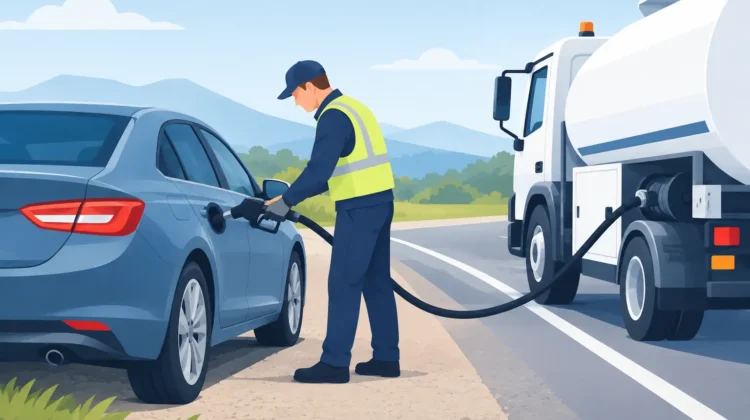
Emergency Fuel Delivery When You Are Stranded
A fuel warning light can feel manageable until the engine cuts out in traffic, on a dark country road or miles from the nearest filling station. Emergency fuel delivery gives stranded drivers a practical way to get moving again without taking unnecessary risks, provided the vehicle is in a safe location and the correct fuel can be supplied.
Running out of fuel is more than an inconvenience. Stopping suddenly can leave you exposed to passing traffic, delay work or family plans, and create a difficult situation if you are travelling alone or with children. The right response is to focus first on safety, then arrange professional roadside help with clear information about your vehicle and location.
What to do when your vehicle runs out of fuel
If you realise fuel is low while driving, do not wait for the engine to stop. Pull into the next safe petrol station, service area or suitable parking place if you can reach one. Ease off the accelerator, avoid harsh acceleration and switch off non-essential electrical equipment where safe to do so. These small steps may help you cover the final miles.
Once the engine has stopped, pull over as safely as possible. Put on your hazard warning lights and keep well clear of moving traffic. If you are on a motorway or a high-speed road, do not try to walk to a petrol station or cross traffic to seek help. Move behind a barrier if it is safe to leave the vehicle, and contact the appropriate emergency service if you are in immediate danger.
On a quieter road, stay aware of your surroundings. Lock the vehicle if you need to wait nearby, keep children and passengers away from the carriageway, and use a torch rather than standing in the road to signal for help. A breakdown provider can assess the location and send assistance suited to the situation.
How emergency fuel delivery works
A roadside fuel service is designed for occasions when a small amount of the right fuel is enough to get you safely back on the road. An operator attends your location with fuel, confirms the vehicle details and adds the supplied fuel carefully. You can then travel to a filling station to refill properly.
The service is usually straightforward, but it depends on accurate information. The operator needs to know whether the vehicle uses petrol or diesel, its make and model, your registration number and where you are parked. A precise location helps prevent delays, especially on rural roads, large car parks and motorway routes.
Giving a landmark, road name, postcode or nearby junction is useful. If you are on a motorway, report the carriageway direction, the closest junction number and any marker post details you can see. Do not put yourself at risk to find this information. Share only what is safe to check from your current position.
Petrol, diesel and misfuelling are different problems
An empty tank and putting the wrong fuel in a vehicle are not the same issue. If your car has simply run out, a limited supply of the correct fuel may be all that is needed. If petrol has been put into a diesel vehicle, or diesel into a petrol vehicle, do not start the engine or turn on the ignition. Starting it can circulate contaminated fuel through the system and increase the risk of expensive damage.
Tell the recovery provider exactly what happened. A misfuelled vehicle may need specialist fuel draining or secure transport rather than a standard fuel delivery. Being honest at the start means the right equipment and support can be arranged.
When fuel delivery is the right option
Emergency fuel delivery makes sense when the vehicle is otherwise working correctly, it has stopped because the tank is empty, and it is safe for an operator to attend. It can save time compared with leaving the car, finding a filling station and returning with a fuel can, particularly late at night or in an unfamiliar area.
It is also useful when you are unable to leave the vehicle safely, have young passengers with you, or do not have an approved fuel container. Carrying fuel in unsuitable containers is dangerous and can create a fire risk, so it is better not to improvise.
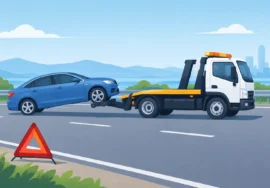
There are circumstances where recovery is the safer choice. If the vehicle will not restart after receiving fuel, has warning lights suggesting another fault, is blocking traffic, has been involved in an accident or is parked in an unsafe position, it may need to be moved. A professional recovery operator can assess whether an on-site solution is appropriate or whether transport to a garage, home or another safe destination is needed.
Information that helps assistance arrive faster
When requesting roadside help, explain the situation in plain terms: the vehicle has run out of fuel, you need petrol or diesel, and whether the engine has already stopped. Confirm your exact location, vehicle registration and a contact number that will remain available.
It also helps to mention anything that affects access. For example, say if you are in a multi-storey car park with a height restriction, on a narrow lane, in a private car park, or with a trailer attached. If you are uncertain about the fuel type, check the label inside the fuel flap or your vehicle handbook if you can do so safely. Do not guess.
For quote-led roadside assistance, clear details allow the provider to give realistic pricing and send the right vehicle. Ask what is included, whether a set amount of fuel is supplied and what happens if the engine does not restart. Transparent answers before attendance reduce stress when you are already dealing with an unexpected stop.
Staying safe while you wait
Waiting safely matters just as much as getting fuel. Stay out of live traffic lanes and keep your mobile phone charged where possible. If visibility is poor, keep hazard lights on, but avoid draining the battery unnecessarily if the wait may be prolonged.
Do not accept fuel from an unknown passer-by or allow anyone to pressure you into moving the vehicle in an unsafe way. Well-meaning help can occasionally make the situation worse, particularly if the fuel type is uncertain or the vehicle is stranded in a vulnerable position.
If you feel unsafe, tell the assistance provider. Explain whether you are alone, whether the road is poorly lit, and whether your car is creating an immediate obstruction. In an urgent danger situation, contact the emergency services first. Roadside assistance can then work around the response needed to keep you protected.
Avoiding another empty tank
Most fuel shortages are preventable, but long journeys, diversions, faulty gauges and unfamiliar hire or newly purchased vehicles can catch out even careful drivers. Treat the low-fuel warning as a prompt to refill at the next practical opportunity rather than a target to test.
Before a longer journey, check the fuel level, planned route and likely availability of filling stations. This is particularly worthwhile when travelling late, driving through rural areas or collecting a vehicle from an auction. Keep your mobile phone charged and consider carrying an approved empty fuel container only if you know how to store and use it safely.
A low gauge may also point to a separate problem. If the indicated fuel level drops unusually quickly, the warning light appears too early, or the vehicle repeatedly cuts out despite having fuel, arrange a mechanical inspection. Fuel delivery can resolve the immediate problem, but it cannot repair a faulty sender unit, leak or engine issue.
EK Vehicle Recovery provides 24/7 roadside support for drivers who need fuel delivery, on-site assistance or safe vehicle transport when continuing the journey is not possible. The aim is simple: assess the situation calmly, resolve what can be resolved at the roadside and handle your vehicle carefully when recovery is required.
If your car has run out of fuel, resist the urge to rush into an unsafe solution. Get yourself to the safest available position, share accurate details and let trained roadside support help you make the next move with confidence.