Car Towing: What to Do When You Cannot Drive
A vehicle that will not move can turn a normal journey into a stressful situation very quickly. Whether you have broken down on the motorway, been involved in an accident, discovered a serious warning light or found yourself stuck in mud, car towing provides a safe way to get both you and your vehicle out of harm’s way.
The priority is not getting moving at any cost. It is getting to a safe place, protecting other road users and making sure your car is handled correctly. A professional recovery operator can assess whether the issue can be resolved at the roadside or whether secure transport is the safer option.
When car towing is the right choice
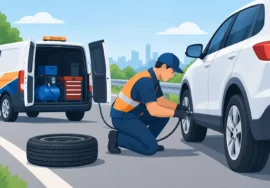
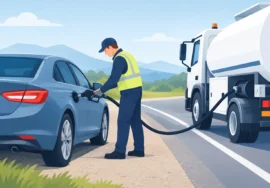
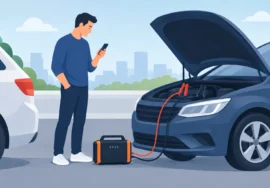
Not every breakdown requires recovery. A flat battery may be solved with a jump start, an empty tank may only need fuel delivery, and some tyre problems can be dealt with through a wheel change or temporary puncture repair. These are often the quickest ways to get back on the road.
Car towing becomes the sensible option when the vehicle cannot be driven safely or legally. This may include engine faults, overheating, severe tyre or wheel damage, steering problems, accident damage, a seized brake, an electrical fault that returns after a jump start, or a vehicle that is stuck off-road. If continuing could cause more damage or put you at risk, recovery is the right call.
Modern cars can also have specific towing requirements. Automatic, electric and hybrid vehicles may be damaged if they are pulled incorrectly, particularly if the driven wheels remain on the ground. A recovery lorry with the appropriate equipment can lift or load the vehicle properly rather than taking chances with an unsuitable tow.
What to do while you wait for recovery
Your location and safety matter more than diagnosing the fault. If the vehicle has stopped in a dangerous position, switch on your hazard warning lights and, where it is safe to do so, move away from live traffic. On a motorway, get behind the barrier if one is available and keep well clear of the carriageway.
Do not attempt repairs beside fast-moving traffic. Avoid standing between your car and other vehicles, and do not sit in the car if it is in an exposed position. If you are on a smart motorway or another high-risk road, use an emergency phone where possible and follow the instructions given by the emergency services or road operator.
When arranging recovery, provide clear details about your location. A road name, postcode, nearby landmark, motorway junction, direction of travel or what3words reference can all help. Explain the vehicle’s make, model, registration, condition and whether the wheels turn freely. Mention accident damage, a locked steering wheel, a flat tyre, low clearance or an underground car park, as these details affect the equipment needed.
If you have passengers, especially children, elderly relatives or pets, say so when booking. The recovery plan may need to account for their safety and onward travel as well as the vehicle itself.
What a professional towing service should check
Safe recovery starts before the vehicle is loaded. The operator should assess the condition of the car, its position and any immediate risks. They will establish whether a roadside repair is realistic, whether the vehicle can roll, and how it should be secured for transport.
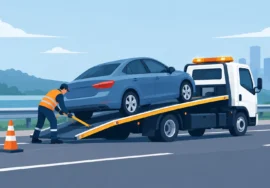
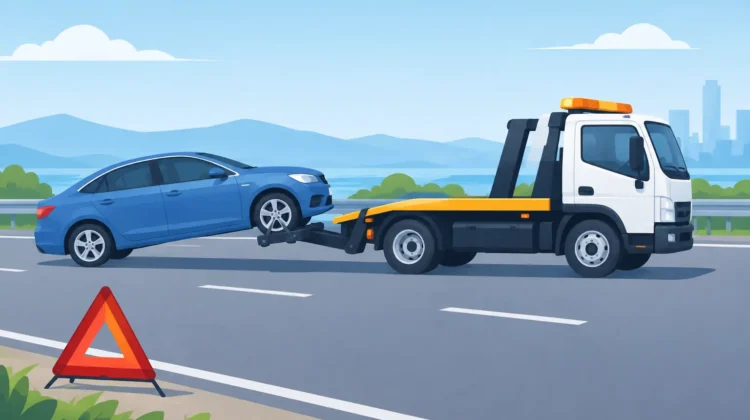
For a straightforward breakdown, the process may be quick: your vehicle is loaded onto a recovery lorry, secured using suitable restraints and transported to your home, garage or another agreed destination. Where the vehicle is damaged or immobile, recovery can take longer because the operator may need to use specialist winching and loading methods.
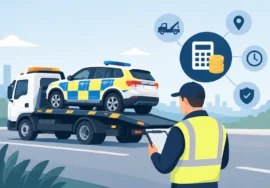
Clear communication makes a real difference. You should know where your vehicle is going, what service is being provided and how the price has been calculated. Quote-led recovery is particularly useful because it allows the collection point, destination, vehicle type and condition to be considered before work begins.
At EK Vehicle Recovery, experienced operators assess the situation first, resolve simple faults at the roadside where possible and arrange careful vehicle transport when driving on is not safe.
Car towing after an accident
After an accident, do not assume a car is safe to drive simply because the engine starts. Damage to suspension, tyres, steering, lights, bodywork or fluid lines may not be obvious at the roadside. A loose bumper, damaged wheel or leaking fluid can quickly create a more serious problem.
If anyone is injured, the vehicle is blocking the road, there is a fuel leak or you believe there is an immediate danger, contact the emergency services. Once it is safe and appropriate to do so, recovery can take the vehicle to your preferred repairer, home address or secure location.
Take photographs if you can do so safely, exchange details with the other party and keep any recovery paperwork. These records may be useful if you need to speak with your insurer later. However, do not delay getting yourself to safety just to collect more information.
Special situations that need the right equipment
A vehicle in a ditch, field, muddy track, sandy ground or a difficult driveway is not a standard towing job. Pulling it out with a rope, another car or an unsuitable strap can injure people, damage the vehicle or make it more deeply stuck.
Professional pull-out recovery uses controlled winching, correct anchoring points and a careful assessment of the ground. The aim is to recover the vehicle with as little further damage as possible. It may also be necessary to check for damage underneath before deciding whether it can be driven away.
Low-clearance vehicles, cars with locked wheels and vehicles in multi-storey car parks need similar care. The nearest recovery lorry is not always the right one. Accurate information when you request assistance helps ensure that the right vehicle and equipment are sent from the start.
Preparing for a smoother recovery
Once help is on the way, gather any essentials you need from the car if it is safe to do so. This could include medication, wallets, mobile phones, keys, work equipment and child seats. Remove valuable belongings where possible, particularly if the vehicle is being taken to a garage outside your normal hours.
Have the vehicle keys available and tell the operator about any security features, parking brakes or access issues. If the car is due to be taken to a garage, check whether it can accept the vehicle at that time. If not, arranging transport to your home or another secure location may be the better short-term solution.
It is also worth thinking beyond the immediate breakdown. If your car is being recovered after a mechanical failure, ask the garage to confirm the fault before authorising major work. If it has been collected from an auction, make sure the collection details and drop-off address are correct before the journey begins. A few clear details can prevent unnecessary delays.
Why attempting a DIY tow can be risky
Using a tow rope between two cars may appear to be a quick fix, but it carries real risks. Both drivers need experience, the route must be suitable, the towing points must be sound and the disabled vehicle must still have effective steering and braking. Even then, sudden braking, poor visibility and changes in traffic can make the situation unsafe.
It is especially unsuitable on motorways, busy roads, in poor weather or where the car has damaged wheels, steering or brakes. It can also create costly damage if the wrong towing point is used. In many cases, professional recovery is safer, faster and less likely to turn a manageable fault into a larger repair bill.
A breakdown does not need to leave you stranded or unsure what happens next. Focus on getting to a safe position, share accurate information and choose recovery support that treats your vehicle with the same care you would. The right help can turn a difficult roadside moment into a clear, safe plan for getting home or getting the car repaired.