
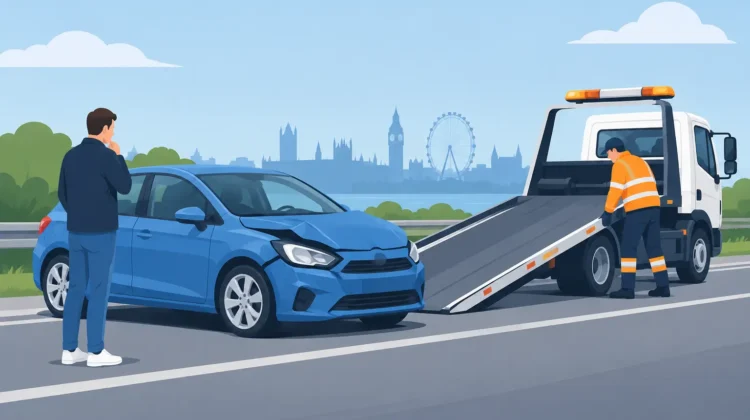
Accident Car Recovery: What UK Drivers Do Next
A collision can leave even an otherwise reliable car unsafe to drive. Accident car recovery is not simply about moving a damaged vehicle from A to B. It is about protecting the people at the scene, preventing further damage and getting your vehicle to the right place without adding to an already stressful day.
Whether the damage looks minor or your car will not start, the first few minutes matter. Stay calm, make the area as safe as possible and avoid trying to drive away just because the vehicle can still move.
First priorities after a road traffic accident
Stop as soon as it is safe to do so, switch off the engine and turn on your hazard warning lights. If you can leave the vehicle safely, move yourself and any passengers away from live traffic. On a motorway or fast road, get behind the safety barrier where possible and do not attempt repairs at the roadside.
Call 999 if anyone is injured, there is immediate danger, a road is blocked, or you believe emergency services are needed. If the vehicles can be moved safely and are creating a hazard, move them out of the carriageway only when it is safe to do so. Do not put yourself at risk to protect the car.
Once everyone is safe, exchange details with the other driver. This normally includes names, contact details, vehicle registration numbers and insurance information. Take clear photographs of the vehicles, damage, road position, signs, weather conditions and the wider scene if it is safe to do so. These details can help when speaking with your insurer later.
When you need accident car recovery
Not every impact means a vehicle needs towing, but visible damage is not the only concern. A cracked bumper may be cosmetic, while a knock to a wheel, suspension component, radiator or steering system can make the car dangerous to drive. Modern vehicles can also have sensor, battery or electrical damage that is not obvious at the roadside.
Arrange recovery rather than continuing your journey if you notice a warning light, leaking fluid, a damaged wheel or tyre, steering that feels different, a loose bumper, poor visibility, deployed airbags or any sign that the vehicle is unstable. If the engine will not run, the car is stuck, or the doors cannot be secured, recovery is the sensible option.
Trying to drive a damaged vehicle can turn a manageable repair into a more expensive one. It can also leave you stranded in a less safe location. A professional operator can assess how the vehicle should be loaded and transported, rather than relying on a guess made under pressure.
Do not assume a car is safe because it still starts
After an accident, a car may start and move a short distance despite damage beneath the bodywork. A tyre can be rubbing against a damaged wheel arch, a coolant leak can develop after the engine warms up, or a wheel may no longer be aligned correctly. If there is any doubt, stop and arrange assistance.
This is particularly relevant for electric and hybrid vehicles. Damage around the battery area, cables or underside should be treated with care. Keep clear of smoke, heat, unusual smells or fluid leaks, and tell the recovery provider the vehicle type and any damage you have noticed.
What to tell a recovery provider
Clear information helps a recovery team bring the right equipment and plan a safe collection. When requesting a quote, provide your exact collection location, the intended drop-off point, your vehicle registration or make and model, and whether the car can roll, steer and be placed in neutral.
It also helps to explain the accident damage plainly. Mention a damaged wheel, flat tyre, deployed airbags, leaking fluids, a locked steering wheel, low ground clearance, or whether the car is in a car park, on a narrow road or off-road. If the vehicle is loaded with belongings, has passengers waiting, or needs to go to a specific garage, say so at the outset.
A quote-led service should be clear about the collection and destination before work begins. The price can depend on distance, vehicle condition, access, time of day and the equipment required. Being upfront avoids delays and helps the operator arrive prepared.
Safe vehicle transport after an accident
The right recovery method depends on the condition of the car. A vehicle with suspension, wheel, steering or drivetrain damage may need full lifting onto a recovery lorry rather than being towed with wheels on the road. This helps prevent further damage during transport.
Careful loading matters. The vehicle should be secured properly, with attention paid to low bumpers, damaged panels and components that may be loose. A responsible recovery operator will not rush a loading process simply because the incident has been stressful or the weather is poor.
Before the vehicle leaves, remove valuables where possible and take photographs of its condition. Keep your keys, documents and any personal medication with you unless the garage or recovery operator specifically needs something else. If you are leaving the vehicle at a repairer outside opening hours, confirm where it will be placed and how the keys should be handed over.
Choosing where your car should go
Your insurer may have a preferred repair network or accident management process, so contact them as soon as you can. However, you may also need immediate help before arrangements are finalised, especially if your vehicle is blocking access, stranded at night or cannot be secured.
The best destination depends on the situation. A local garage may be suitable for minor repair work, while a manufacturer-approved bodyshop may be more appropriate for newer cars, specialist paintwork or complex safety-system repairs. If the car needs to be inspected first, a secure location can be preferable to leaving it at the roadside or outside your home.
Ask the recovery provider to take the vehicle directly to your chosen destination where possible. One careful journey is usually better than arranging several moves later.
Avoid these common mistakes at the scene
After a shock, it is easy to focus on getting home quickly. The most common mistakes are driving a car that is not roadworthy, accepting vague arrangements without confirming the destination, leaving valuables inside, and forgetting to document the condition of the vehicle.
Avoid agreeing that you were at fault at the roadside. Stick to the facts when exchanging details and reporting the incident. Do not sign anything you do not understand, and be cautious if an unknown person pressures you into using a particular repairer or recovery service.
If you are waiting for help, keep your mobile phone charged if possible and let someone know where you are. In cold, wet or dark conditions, your personal safety is more important than staying with the car. Follow any instructions given by emergency services or road operators.
24/7 help when plans change suddenly
Accidents do not wait for convenient hours. A collision on the school run, a late-night journey home or a weekend trip can leave you needing safe transport without notice. EK Vehicle Recovery provides 24/7 support for damaged, immobilised and non-running vehicles, with experienced operators and suitable recovery equipment for careful collection and transport.
A fast response should never mean careless handling. Give accurate location and vehicle details, explain what has happened, and arrange a destination that works for you and your next steps. That turns a difficult roadside situation into a clear plan: get safe, get the vehicle moved properly, and give yourself space to deal with the rest.
